Kids, Toys and Maternity Retail Space in Bangalore: 2026 Leasing Guide
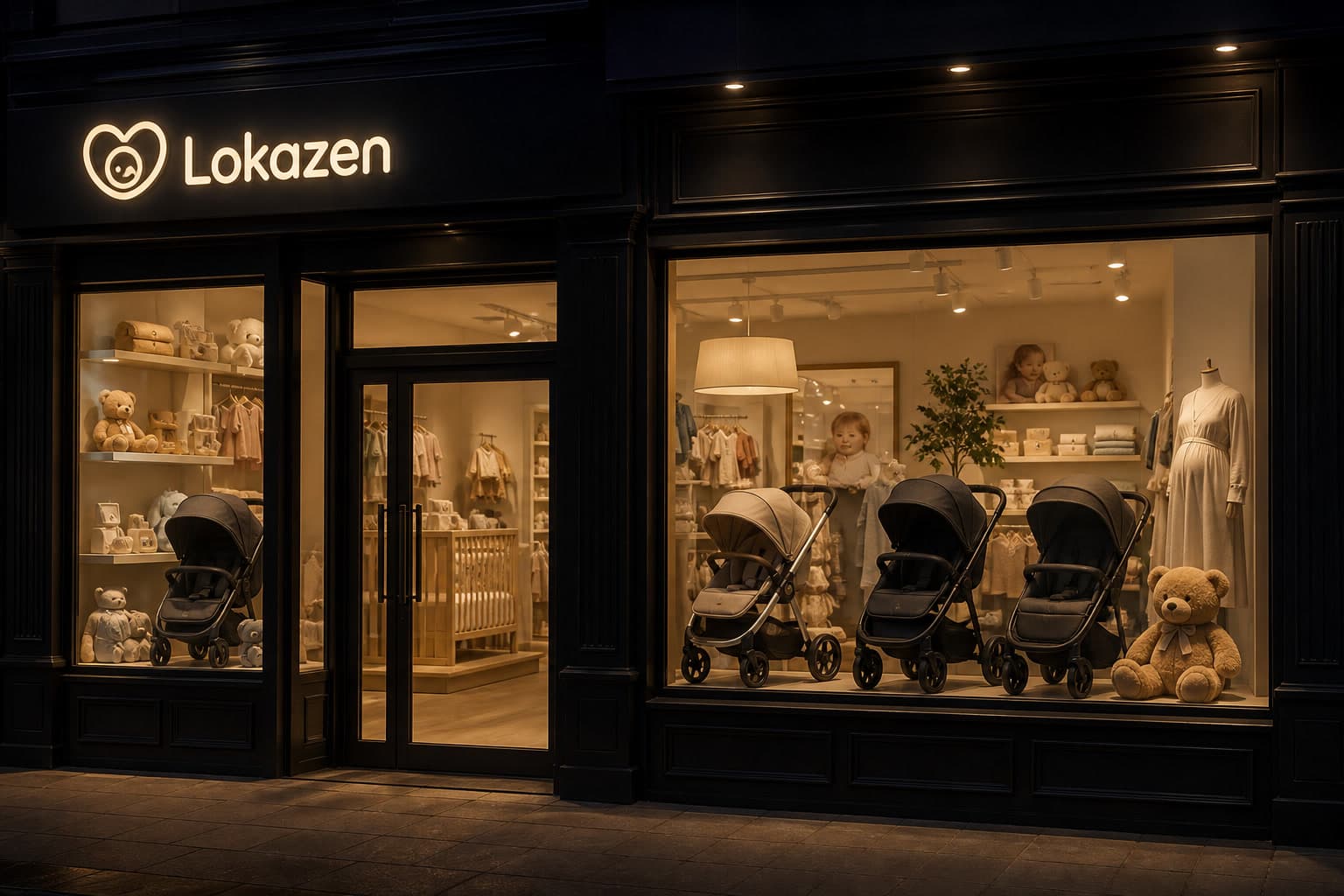
One label, three leasing problems
"Kids retail" is a merchandising category, not a leasing category. Put a kidswear store, a toy and hobby shop and a maternity and nursing store on the same shortlist and you will find that almost nothing transfers between them, not the catchment, not the floor, not the size, not the daypart. The first useful decision is to stop treating them as one requirement.
Say the gap plainly before anything else. Lokazen publishes verified operating outlet counts for apparel, footwear, salon, electronics, jewellery, pharmacy, gym, eyewear, grocery, coworking and books. It does not publish a separate tracked count for kidswear, toys or maternity, and it does not publish a kidswear split out of the 1,759 tracked apparel outlets. So this guide prints no kids-specific census and no zone bar chart of kids stores. What it does use is the published category and pocket data that genuinely bears on the decision.
Where the three formats actually belong
The "leases like" column is the useful one, because those four categories are published, and their zone maps point in visibly different directions.
What the apparel map tells a kidswear brand
Kidswear inherits the clustering behaviour of fashion retail, and the published apparel and footwear map is unambiguous about where that clustering sits in Bangalore.
The western markets and Jayanagar carry 277 combined apparel and footwear outlets against 141 in Indiranagar and Koramangala together. Fashion in Bangalore is anchored in the legacy shopping markets, not the premium lifestyle strips, and those legacy markets are exactly where family shopping trips already happen. Jayanagar 4th Block benchmarks at about Rs 140 per sqft per month on ground floor and Malleshwaram Sampige Road at about Rs 170, against Rs 480 on Indiranagar Double Road. For a kidswear format, that is a two-to-three-fold rent difference in favour of the zone where the customer already is. Our apparel and footwear guide and Malleshwaram and Rajajinagar guide cover that fabric in detail.
One caution the apparel data also supplies: back-of-house. Kidswear carries deep size and age curves, which means stockroom depth relative to selling floor matters more than the headline carpet area suggests. A 1,200 sqft unit that can only give you 800 sqft of usable selling floor is a 800 sqft store you are paying 1,200 sqft for.
Rent bands that carry each format
Across the 124 commercial pockets Lokazen benchmarks, ground-floor rent runs from about Rs 58 to Rs 575 per sqft per month, and across 145 live ground-floor retail and restaurant listings the median ask is about Rs 200 with the lower quartile near Rs 135. Upper-floor rent sits near half of the ground-floor typical in the same pocket.
Worked example, no invented category sales: a 1,200 sqft kidswear unit on Jayanagar 4th Block at Rs 140 costs about Rs 20.2 lakh a year. The same footprint on Indiranagar Double Road at Rs 480 costs about Rs 69.1 lakh: a difference of roughly Rs 49 lakh a year that has to come out of kids apparel gross margin on a footprint carrying deep size curves and heavy seasonality. That is the arithmetic that should end most premium-strip conversations for this category. See the area-wise commercial rent guide and the value-pocket guide for the full map.
Seasonality is a lease term, not a marketing problem
Kids retail has two demand spikes the lease has to survive: the school reopening cycle and the festive quarter. A category with concentrated seasonal revenue and flat monthly rent is structurally exposed in a way a daily-needs category is not, you pay twelve months of rent against a revenue curve with a small number of decisive weeks.
- Model the trough, not the peak. If the unit only works in the festive quarter and at school reopening, it does not work. Run the quiet months explicitly before heads of terms.
- Negotiate the ramp. A rent-free fitout period and a first-year step matter more in a seasonal category than a small headline discount, because they align the cost curve with the revenue curve.
- Time the handover. Taking possession two months before school reopening is worth real money; taking it two months after costs you a full cycle. Our festive-season leasing playbook makes the same timing argument for F&B, and the mechanics transfer.
- Do not buy peak footfall. A premium strip sells you its best week. You are signing for all fifty-two.
What each unit must prove
Kidswear
Ground floor or a strongly anchored first floor inside an established market. Real stockroom depth for size and age curves. Fitting provision that works for a parent and child together, positioned away from the entrance. Pram and stroller circulation, aisle widths that a fashion fitout would narrow. Frontage that reads from the family walking route, which in a legacy market is often a footpath rather than a carriageway.
Toys and hobby
Dwell time is the product, so this format behaves closer to bookshop retail than to apparel: it needs browsable depth, sightlines, and tolerance for a customer who stays without transacting. Demonstration and play space consumes selling floor, so budget it as floor you pay for and do not sell from. If the format includes a play or workshop element, confirm the landlord and building rules on child occupancy, noise and hours before you design it.
Maternity and nursing
This is the format most often mis-sited. It is a proximity and privacy purchase, not a browse, closer in catchment logic to pharmacy and salon than to fashion. It needs a private consultation or feeding corner, a discreet layout, step-free access for a late-term or post-partum customer, and clean washroom access. Because it is appointment-tolerant, it is the one kids format where an upper floor at roughly half the ground-floor rate is genuinely worth modelling, provided the access and signage rights are real.
The residential-proximity method that pharmacy demonstrates is directly transferable: Hebbal carries 19 pharmacies against 140 total outlets (13.6 per 100) while Koramangala carries 5 against 854, or 0.6 per 100. Daily-needs and service formats invert the commercial-density map. A maternity store shortlisted off a high-street footfall table is being shortlisted on the wrong variable.
Dual read: expanding brand vs property owner
If you are expanding a kids brand
Name the format before you name the street. Kidswear should be sequenced into the legacy family markets where apparel already clusters; toys should be sequenced against anchored destinations with parking and dwell tolerance; maternity should be sequenced by residential density and privacy of the shell. Trying to serve all three from one lease is the most expensive mistake in this category. For rollout order across zones, our multi-outlet expansion sequencing and franchise site-selection guides apply without modification.
If you own the unit
Ask which of the three your shell can host, and say so in the listing. A deep ground-floor unit with stockroom depth and pram-friendly access on a family market street is a kidswear candidate. A large plate with parking and dwell tolerance is a toys candidate. A small, private, step-free unit on a residential approach is a maternity candidate. "Ideal for kids retail" on a narrow premium-strip shell with no back-of-house and no parking will draw enquiries that die at the site visit. Owners who publish frontage, usable selling floor, stockroom split, washroom and parking facts up front get shortlisted faster, the argument in listing specs that help brands decide faster and in the owner checklist.
Practical checklist before you sign
- Name the format (kidswear, toys or maternity) in the requirement and in the lease use clause.
- Measure usable selling floor, not carpet area. Subtract stockroom, fitting, play and demonstration space before you compare rents.
- Walk the school and residential routes at pick-up time and on a weekend morning. Kids demand runs on a schedule, and the schedule is visible on foot.
- Model the trough months against pocket benchmarks; for maternity, run the upper-floor case explicitly.
- Check pram and stroller circulation, step-free access and washroom availability. These disqualify units silently.
- Confirm building rules on child occupancy, play areas, noise and hours if the format includes activity.
- Read the lease signals in our five signals guide before you commit.
- Do not import a national brand count. Franchise marketing figures are not a local competitor census. Count on foot inside your catchment.
A note on the data
Rent figures are pocket-level benchmarks across the 124 commercial pockets Lokazen tracks, expressed as ground-floor rupees per sqft per month on carpet area unless stated, cross-checked against 145 live ground-floor retail and restaurant listings. Apparel and footwear zone counts (155 in the western markets, 122 in Jayanagar, 85 in Koramangala, 78 in HSR Layout, 56 in Indiranagar, 49 in Whitefield, 37 in JP Nagar) and pharmacy zone counts are verified operating outlets in Lokazen's tracked inventory for 2026.
Lokazen does not publish tracked outlet counts for kidswear, toys or maternity as distinct categories, and does not publish a kidswear split out of the apparel total. No kids-specific citywide count, zone chart or brand count appears in this guide, and none has been estimated. Format size bands are planning conventions rather than measured data. When kids categories are tracked to the same standard as apparel or pharmacy, this guide should be updated with counts.
Work with Lokazen
Whether you are expanding retail or F&B, evaluating a mall offer, or listing a high-potential unit, Lokazen combines verified inventory with location intelligence and expert placement support.
Start your brand search or explore location intelligence on lokazen.in.
Frequently asked questions
- How many kids or toy stores are there in Bangalore?
- Lokazen does not publish a verified tracked count for kidswear, toys or maternity as separate categories, and does not publish a kidswear split out of the 1,759 tracked apparel outlets. Treat national brand or franchise marketing figures as unverified for local leasing, and count competitors on foot inside your catchment until a tracked category chart is released.
- Where should I open a kidswear store in Bangalore?
- In the established family shopping markets rather than the premium lifestyle strips. Published apparel and footwear data puts 155 combined outlets in the western markets of Malleshwaram, Rajajinagar and Vijayanagar and 122 in Jayanagar, against 141 across Indiranagar and Koramangala together. Jayanagar 4th Block benchmarks at about Rs 140 per sqft per month on ground floor and Malleshwaram Sampige Road at about Rs 170, against Rs 480 on Indiranagar Double Road, the clustering and the rent both point the same way.
- Is maternity retail the same leasing problem as kidswear?
- No. Maternity and nursing is a proximity and privacy purchase, closer in catchment logic to pharmacy and salon than to fashion. It needs residential density, a private consultation or feeding corner, step-free access and clean washroom access, and it works in 400 to 900 sqft. Because it is appointment-tolerant, it is the one kids format where an upper floor at roughly half the ground-floor rate is genuinely worth modelling.
- What rent should a kids retail format expect in Bangalore?
- Use pocket benchmarks rather than a city average. Across 124 tracked pockets, ground-floor rent spans roughly Rs 58 to Rs 575 per sqft per month, with a live-listing median near Rs 200. Kids-relevant examples include Yelahanka New Town around Rs 95, Vijayanagar Main Road around Rs 110, JP Nagar Phase 1-2 around Rs 130, Jayanagar 4th Block around Rs 140 and HSR 27th Main around Rs 260. On a 1,200 sqft unit, Jayanagar at Rs 140 is about Rs 20.2 lakh a year against about Rs 69.1 lakh on Indiranagar Double Road.
- How should a seasonal kids category handle lease terms?
- Model the trough months rather than the school-reopening and festive peaks, because rent is flat and revenue is not. Prioritise a rent-free fitout period and a first-year step over a small headline discount, and time possession so that fitout completes before a demand cycle rather than after one. Taking handover two months late can cost a full season.
- What should an owner check before listing a unit for kids retail?
- Which of the three formats the shell can actually host. Kidswear needs stockroom depth behind the selling floor and pram-friendly circulation; toys need a large plate, parking and tolerance for dwell time; maternity needs a small, private, step-free unit on a residential approach. Publish usable selling floor, stockroom split, frontage, washroom and parking facts in the listing. Those are the specifications that decide whether a kids brand shortlists the unit or skips it.
Read next
- Category Guide

Grocery and Supermarket Retail Space in Bangalore: 2026 Leasing Guide
11 min read
- Category Guide
Home Decor and Furniture Retail Space in Bangalore: 2026 Leasing Guide
12 min read
- Category Guide

Bakery and Dessert QSR Space in Bangalore: 2026 Leasing Guide
11 min read
- Category Guide
Gym and Fitness Studio Space in Bangalore: What the Numbers Say in 2026
11 min read
- Category Guide
Electronics and Mobile Retail Space in Bangalore: 2026 Leasing Guide
11 min read
- Category Guide

Pet & Pet-Care Retail Space in Bangalore: 2026 Leasing Guide
12 min read
Work with Lokazen
Brands get scored Bangalore shortlists from verified listings. Owners get their space in front of brands that are actively looking.
More data-led guides on the Lokazen blog.